Tree Service in El Cajon, CA
Defensible Space Clearing
Brush, dead growth and overgrown trees cleared around your El Cajon home before fire season arrives.
Tree Service in El Cajon, CA
Brush, dead growth and overgrown trees cleared around your El Cajon home before fire season arrives.
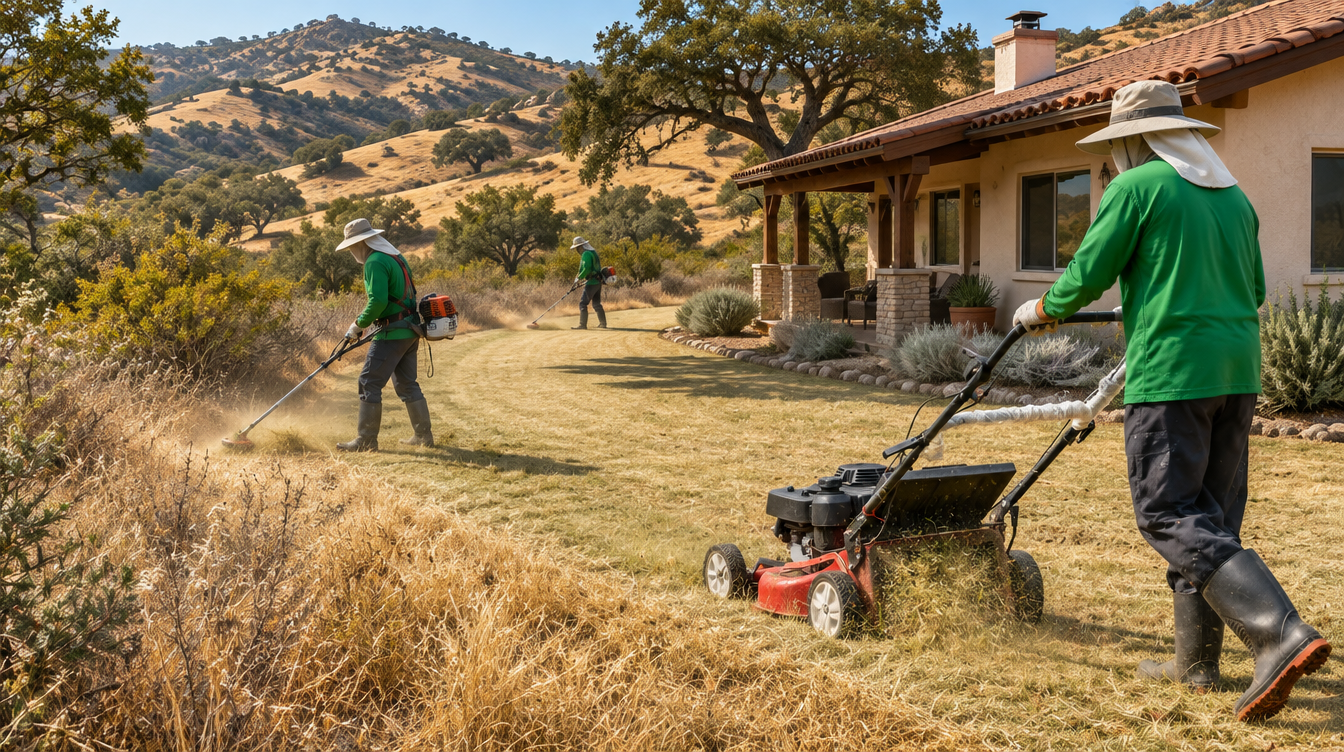
Defensible space clearing from Oak Canyon Tree Service in El Cajon, CA means cutting back dry brush, dead growth, and crowded vegetation around your home so a wildfire has less to burn close to the structure. It is for homeowners on hillsides, canyon edges, and larger lots who are looking at overgrown chaparral, tall dry grass, or trees touching the roof. To get started, call or send a request and Danny will set up a free on-site estimate.
Maybe the weeds along the back fence are waist high by June. Maybe there is a dead shrub under the eaves, a juniper pressed against the deck, or oak limbs hanging over the roof, and you keep telling yourself you will deal with it before the hot, dry winds show up. Some homeowners also get a reminder from the local fire agency or a question from an insurer. Whatever pushed you to look, the next step is the same: walk the property with someone who can tell you what needs to go, what can stay, and what it will take.
Defensible space is a buffer of reduced fuel around a house, outbuildings, and sometimes a driveway or fence line. The goal is not a bare lot. It is to break up the continuous path of dry material that lets flames travel from the wildland to your walls. A typical job in East County can include:
In El Cajon and the surrounding valleys, grass and brush typically dry out by late spring and stay dry through summer and fall. The strongest fire weather often arrives in autumn with offshore winds, so most homeowners aim to finish clearing before the heat builds. Waiting until the hills turn brown usually means a longer line of people waiting for the same service.
Growth comes back after winter rains, so a lot that looked fine last year may be thick again by spring. Plan on a yearly look at the property rather than a one-time project.
Every job starts with a free estimate from Danny on your property. He looks at the structure, the slope, the plants, and where your lot meets open land or neighbors. From there you get a written scope that the crew follows to the letter, so you know which areas are included before work begins.
Expect to talk through which plants are staying, which trees need limbing, and where the clearing should reach. Point out anything you care about, like a mature oak or a screening hedge. It is much easier to mark those up front than to explain them after the chainsaws start.
The crew works through the scope area by area, cutting, thinning, and removing material, then cleaning up before leaving. If something unexpected turns up, such as a dead tree you had not noticed, it should be discussed with you before the scope changes.
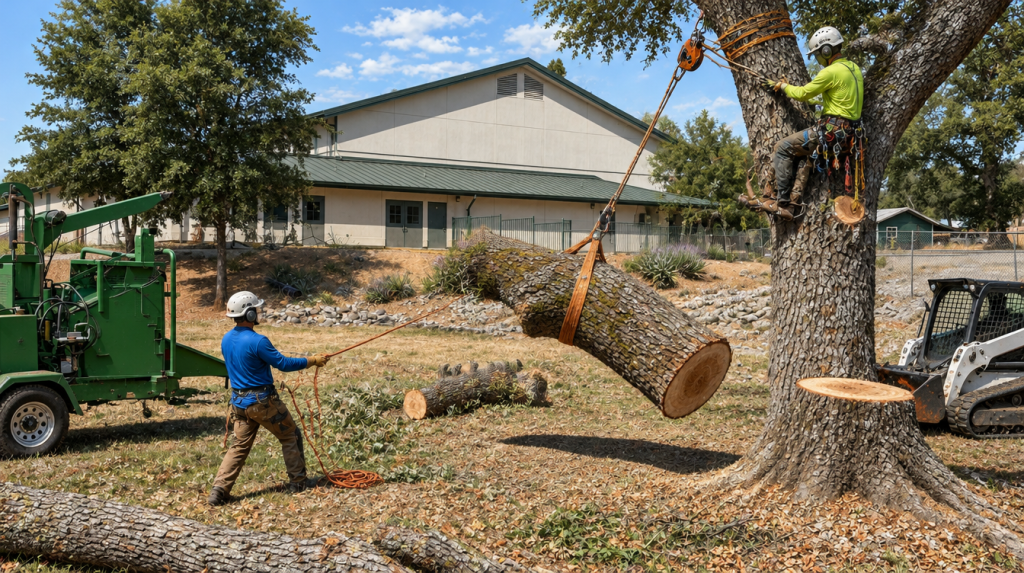
Homeowners often mix up defensible space work with general tree care. They overlap, but they are not the same job. This page covers clearing vegetation around your home to reduce fire fuel. That can include limbing up trees and removing brush, but the goal is always fuel reduction near the structure.
Whoever does the work, these are the standards worth holding them to:
Pricing depends on the job in front of the crew, which is why a free on-site look beats a phone guess. The main factors are:
A clear written quote should spell out which areas are included, what will be cut or removed, whether it is one visit or several, what counts as an extra, and how changes to the scope are handled and approved before they are billed.
Before you hire anyone for fire-prevention clearing in the El Cajon area, ask:
Most homeowners aim to finish in late spring or early summer, once the grass has dried but before peak fire weather. Calling earlier gives you more choice of dates.
Most properties need attention at least once a year, because weeds and brush regrow after the rainy season. Fast-growing slopes may need more.
It comes from lot size, vegetation density, slope and access, tree work, debris amount, and whether you want return visits. Danny reviews those at the free estimate and puts the scope in writing.
Not necessarily. Healthy oaks are often kept, with lower limbs and dead wood removed and brush cleared beneath them. Dead or hazardous trees are a different conversation.
That depends on your property and the scope you agree to. Most clearing focuses on the area closest to the structures first and extends outward from there.
Walk your property and note any trees or plants you want to keep. Mention any notice you received from a fire agency or insurer, and have your questions ready. Then call or send a request to set a time.
Our Service Standard
Danny walks your property, looks at each tree, and explains what he recommends and why.
Your crew follows a clear written plan, so there are no surprises about what gets trimmed, removed, or hauled.
We clear branches, wood, and debris before we leave so your yard is ready to enjoy again.
A Few Common Questions
Tell us about the trees on your property and we will set up a free on-site visit. You will get a written scope of work before anything starts.